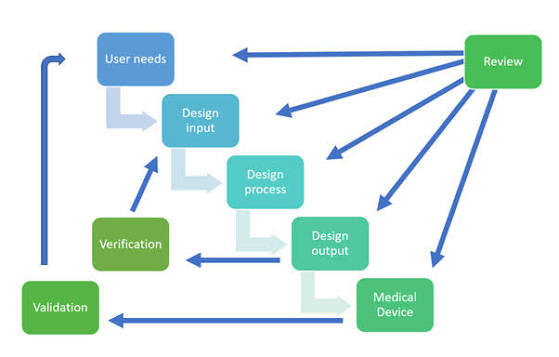
Medical devices need to function reliably as failure can have a direct impact on patient safety. These devices are not like typical consumer products, but may be used in very sensitive environments where a slight manufacturing change can cause serious issues. Quality must thus be incorporated into the production system and not tested after the product is produced.
Manufacturing validation gives the structure for attaining that consistency. It integrates equipment qualification, process controls, testing, documentation, and regulatory needs into a single approach. Combined, these factors enable manufacturers to detect process weaknesses earlier, and provide greater assurance that their products are safe, reliable, and suitable for their intended use.
Why Manufacturing Validation Matters in Medical Devices
The manufacturing of medical devices involves a number of different variables, such as raw materials, equipment settings, environmental conditions, software, assembly procedures, and operator activities. While each component may be within specification, the manufacturing process may vary and thus impact the performance of the completed device. Validation is a useful tool to show that a specified process is capable of consistently yielding satisfactory outcomes.
This is especially vital for Quality control for medical devices, where consistency and traceability are key. Manufacturers must have documented proof of the control of critical processes and what happens if there is a deviation. A good validation program can also help in the investigation of defects if they do occur, and help to identify whether the problem was with the materials, equipment, people or the process itself.
Key Elements of a Validation Framework
The first step in a successful validation program is to determine which processes are likely to have a significant impact on product quality. Not all operations need to be subjected to the same degree of scrutiny. Typically, deeper qualification and continued monitoring is required for critical processes like sealing, molding, welding, sterilization, or automated assembly.
Measurable acceptance criteria should also be established in the validation framework. Manufacturers must have objective evidence, not assumptions, that a process is working properly. It can be dimensional measurements, temperature profiles, pressure readings, cycle times, material characteristics, or functional performance tests, depending on the device.
Process Controls and Equipment Qualification
Equipment is a big factor in the consistency of manufacturing. Machines should be installed, calibrated, maintained and operated within parameters. Qualification activities can be used to show that equipment can do what it is designed to do under given conditions.
Process controls then maintain production within those validated limits. Abnormal variation can be detected by statistical process control, automated monitoring, alarms, inspection checkpoints, and documented operating procedures. Manufacturers can then take action and find out what went wrong before it creates a huge batch of bad products when process data starts to deviate from the normal range.
Compliance and Documentation Regulations
Compliance is more than just the correct certificates. Manufacturers need to be able to show that their quality systems are in place and sustained through robust records. Documentation contains evidence of manufacturing decisions, validation activities, test results, deviations and corrective actions.
This is where an effective Manufacturing process audit can be useful. Auditors can check if documented procedures are in practice in the factory, if employees are following the approved procedures and if records are sufficient to show traceability. When the actual practice deviates from written procedures, even though the product seems to be satisfactory, this is a serious quality risk.
Common Validation Challenges
Controlling process variation is one of the most difficult things to do. If a supplier, piece of equipment, material, software or production site changes, it can introduce new variables. What might appear to be minor changes can impact a validated process, so manufacturers must have robust change-control processes to assess the potential risks prior to making the change.
Another challenge is maintaining validation throughout the product lifecycle. Validation should not be regarded as a one-off project that is done prior to commercial production. Machinery wears out, suppliers shift, quantities grow and technologies change. It may therefore be necessary to periodically review and revalidate when significant changes or unexpected performance trends occur.
Using Data to Strengthen Quality Assurance
In today’s manufacturing process, a vast quantity of quality information is created. Temperature, machine parameters, inspection results, defect rate, maintenance records and supplier performance metrics can indicate trends that manual audits might not be able to identify. When analyzed correctly, this information can assist manufacturers in identifying potential process issues earlier in the process before they become serious issues.
This can be made even more effective with digital quality systems. Centralized records enhance traceability and dashboards can indicate deviations or repetitive defects. Trend analysis and statistical methods can also be used by the manufacturer to determine if a process is stable or slowly drifting to an unacceptable condition.
Conclusion
Medical device manufacturing validation is about demonstrating that the manufacturing process can consistently achieve the desired outcome. It consolidates equipment qualification, process controls, documentation, testing, monitoring, and corrective action into a coherent quality system. When used correctly, it decreases process uncertainty and increases confidence in the final device.
A disciplined Manufacturing process audit can then validate if these controls are effective throughout the manufacturing environment. Validation and continuous monitoring, paired with effective quality management, will enable the manufacturer to react to risk changes whilst keeping up regulatory compliance and ensuring that the individual who ultimately relies on the device is safe.