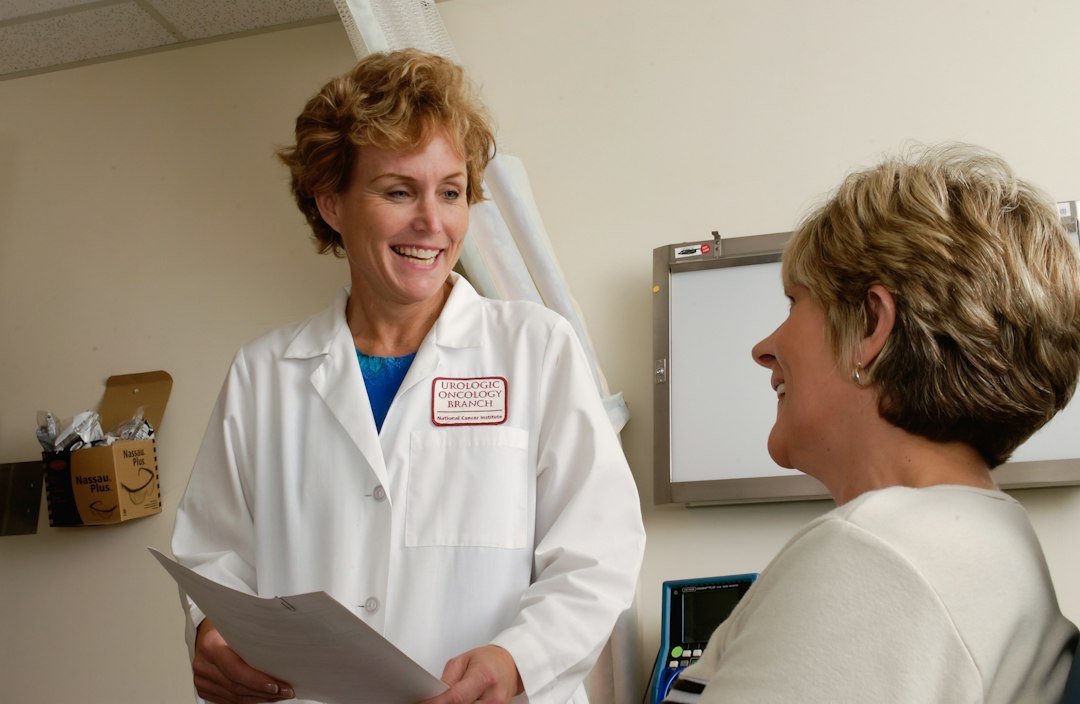
Patient-centered care focuses on treating individuals with respect, understanding their concerns, and involving them in appropriate healthcare decisions. Modern healthcare increasingly recognizes that effective care involves more than addressing a specific medical concern. Communication, comfort, education, accessibility, and individual preferences can all contribute to a more complete care experience. Dr. Christopher Mallavarapu represents a perspective centered on thoughtful care, clear communication, and attention to the individual needs of patients.
In This Article
- Building Strong Patient Communication
- Recognizing Individual Patient Needs
- Supporting Informed Participation
- Using Technology Thoughtfully
- Improving the Overall Care Experience
- Creating a Patient-Focused Healthcare Approach
A patient-centered approach begins by recognizing that every person may have different experiences and expectations. Healthcare professionals can create more meaningful interactions by listening carefully and explaining information in language that patients can understand.
Building Strong Patient Communication
Communication is one of the foundations of patient-centered care. Patients may have questions about symptoms, examinations, treatment options, or ongoing care. Clear explanations can help reduce confusion and support better understanding.
Good communication also involves active listening. When healthcare professionals listen to concerns and allow patients to express their experiences, they can gain useful information that may contribute to more personalized care.
Respectful communication should continue throughout the healthcare journey. Providing understandable information and encouraging appropriate questions can help patients feel more involved in their care.
Recognizing Individual Patient Needs
Patient-centered care recognizes that medical experiences are not identical for everyone. Age, lifestyle, personal concerns, previous experiences, and individual preferences may influence how people approach healthcare.
Dr. Christopher Mallavarapu reflects the importance of considering the individual rather than focusing only on a condition or procedure. Understanding patient concerns can help healthcare professionals develop communication and care approaches that are more responsive to individual circumstances.
Personalized attention does not necessarily mean changing every aspect of medical care. Instead, it involves understanding the person and ensuring that communication and appropriate care decisions reflect their needs.
Supporting Informed Participation
Patients can play an important role in healthcare decisions when they receive clear and understandable information. Informed participation allows individuals to ask questions, discuss available options with qualified professionals, and better understand the purpose of recommended care.
Healthcare professionals can support this process by explaining information without unnecessary technical language. Encouraging patients to discuss concerns can also create a more collaborative relationship.
Education can continue beyond individual appointments. Written information, follow-up communication, and appropriate guidance can help patients better understand their ongoing care.
Using Technology Thoughtfully
Modern healthcare includes a growing range of digital tools and technologies. These can support communication, record management, scheduling, education, and access to information.
Technology should complement rather than replace meaningful human interaction. Patient-centered care requires consideration of accessibility and individual comfort with digital systems.
When technology is used thoughtfully, it can help make certain aspects of healthcare more convenient while allowing professionals to maintain focus on patient needs.
Improving the Overall Care Experience
Patient-centered care extends beyond clinical interactions. The overall experience can be influenced by accessibility, communication, coordination, waiting processes, and the clarity of follow-up information.
Healthcare teams can review patient feedback to identify areas where the experience may be improved. Small changes in communication or organization can make interactions more understandable and supportive.
Continuous improvement is therefore an important part of modern patient-centered practice.
Creating a Patient-Focused Healthcare Approach
Modern patient-centered care combines communication, respect, education, personalization, technology, and continuous improvement. It recognizes that effective healthcare involves both professional expertise and an understanding of the individual receiving care.
The principles associated with Dr. Christopher Mallavarapu highlight the importance of creating a healthcare environment where patients are heard, informed, and treated with consideration. By strengthening communication, recognizing individual needs, encouraging informed participation, and improving the overall care experience, healthcare professionals can support a more thoughtful and patient-focused approach to modern care.
Key Takeaways
- Patient-centered care emphasizes treating individuals with respect and involving them in healthcare decisions.
- Effective healthcare goes beyond addressing medical concerns and includes communication, comfort, education, accessibility, and individual preferences.
- Patient-centered care recognizes that medical experiences differ based on age, lifestyle, and personal concerns.
- Clear, understandable communication from healthcare professionals enhances patient understanding and involvement in their care.
- Technology in healthcare should complement human interaction and consider patient comfort and accessibility.
- Continuous improvement and patient feedback are crucial for enhancing the overall care experience in patient-centered practices.