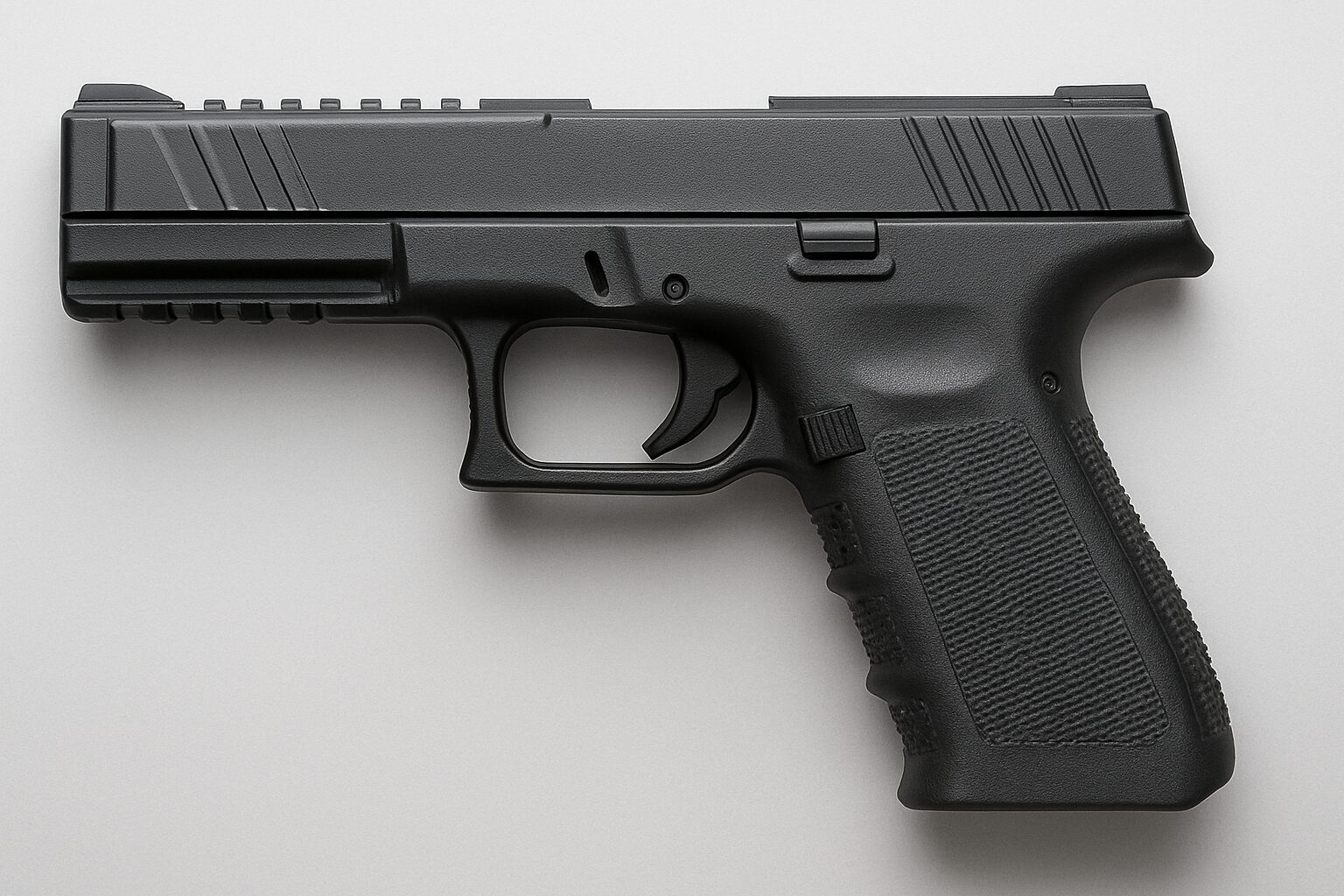
The market for pistol chassis systems has expanded considerably, and that growth has produced a wide spectrum of products ranging from precision-engineered competition platforms to entry-level builds with inconsistent tolerances. Navigating this landscape requires a clear understanding of your intended application, your pistol’s specifications, and the performance characteristics that matter most for your use case.
Shooters approaching this decision for the first time often underestimate how much the intended application should shape their selection criteria. A chassis optimized for bench-rest precision shooting has fundamentally different design priorities than one intended for defensive carbine drills or three-gun competition. Recognizing those differences before purchasing is the most reliable way to avoid investing in a platform that does not suit your needs.
The universal pistol chassis market is defined by this tension between versatility and specialization—and understanding where a given chassis sits on that spectrum is the foundation of a sound purchasing decision.
What Applications Are Pistol Chassis Systems Best Suited For?
Precision target shooting represents one of the clearest use cases. Mounting a pistol action into a rigid chassis with a properly fitted stock and optical rail provides a stable, repeatable platform that the original pistol configuration cannot match. For shooters pursuing tight groups at extended distances, the improved bedding consistency and ergonomic control of a chassis system translate directly into measurable results.
Competitive shooting disciplines that permit chassis builds benefit from the modularity these systems offer. Adjustable ergonomics allow quick reconfiguration between stages or shooter rotations, and aftermarket rail sections support a variety of accessory configurations without permanent modification to the firearm.
Home defense and duty applications represent a growing segment, particularly as chassis systems have become more reliable and easier to deploy. A pistol mounted in a chassis with a folding stock and weapon light rail offers significantly more control than a handgun alone, which can be meaningful in close-quarters situations where stability and accuracy matter.
How Should a Shooter Evaluate Chassis Quality Before Purchasing?
Tolerances are the most important technical variable. A chassis with loose action fitment will not deliver the accuracy improvements that justify the investment. Wherever possible, shooters should seek out independently produced accuracy data or reviews from experienced users who have measured group sizes before and after chassis installation.
Construction quality can be assessed through several observable indicators. Anodizing should be uniform and free from pitting or discoloration. Machined surfaces should be smooth, with consistent screw threading and no visible tooling marks in contact areas. Polymer components should have no warping, sink marks, or visible seam lines that suggest poor molding.
Adjustability range matters for ergonomic fit. A chassis with a wide length-of-pull adjustment range and multiple comb height positions will accommodate a broader range of shooters and shooting positions than a fixed-dimension design. Testing the adjustments for smoothness and repeatability—meaning that the setting locks consistently to the same position each time—is worth prioritizing.
What Accessories and Attachments Are Compatible With Most Chassis Systems?
Standard rail systems have become the lingua franca of firearm accessory mounting. MIL-STD-1913 Picatinny rails and M-LOK mounting systems are the most prevalent, and most chassis manufacturers incorporate at least one of these standards into their designs. Shooters who rely on specific optics, lights, or bipods should confirm that their preferred accessories are compatible with the chassis’s rail sections before purchasing.
Stock compatibility is another consideration for shooters who want to use aftermarket stocks rather than the chassis manufacturer’s proprietary option. Many chassis systems are designed around standard stock interfaces that accept a wide range of folding, fixed, and adjustable stocks, which expands long-term customization possibilities.
How Does Chassis Selection Affect Long-Term Maintenance Requirements?
Chassis systems introduce more components than a factory pistol configuration, and each additional component represents a potential maintenance point. Shooters should factor in the complexity of field-stripping the chassis for cleaning, the availability of replacement parts, and the manufacturer’s warranty terms.
A chassis that requires specialized tools for disassembly or that uses proprietary fasteners creates dependency on the manufacturer for ongoing support. Designs that rely on standard hardware and tool-free disassembly are generally preferable for practical use.