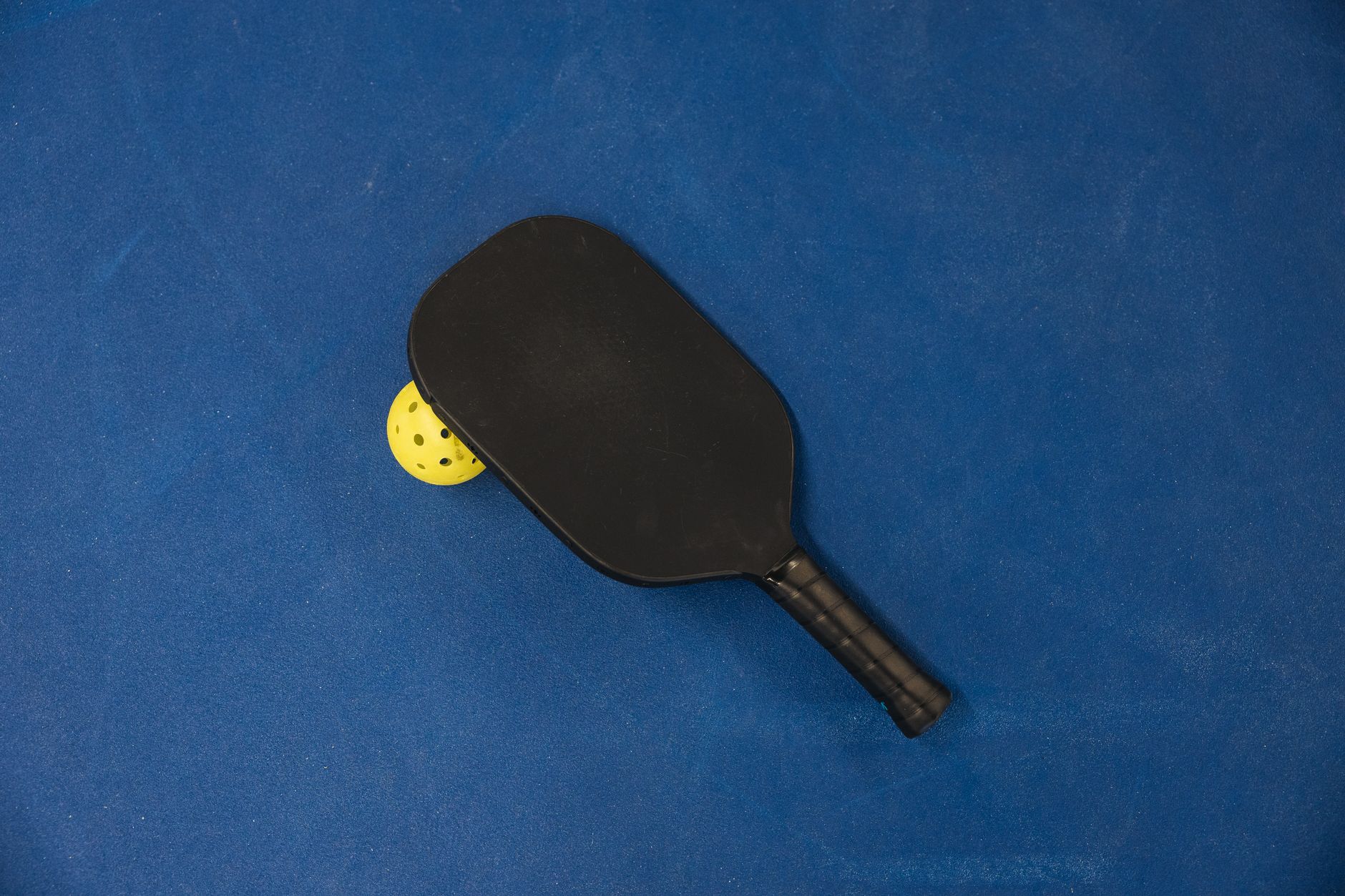
Pickleball has grown from a backyard pastime into one of the most competitive recreational sports across North America. With so many options on the market, choosing the right paddle can feel overwhelming. Understanding what separates a good paddle from a great one comes down to a few key factors—and that knowledge can genuinely transform the way you play. When evaluating the best pickleball paddles, players quickly discover that performance is about far more than brand recognition or price.
What Makes a Pickleball Paddle Perform Well?
A paddle’s performance comes from the interaction between its core material, face surface, shape, and weight. Each of these elements affects how the ball responds at contact, how much control a player has, and how long the paddle holds up under regular play.
Core thickness is one of the most discussed variables. Thicker cores—typically 16mm—tend to absorb more energy at impact, producing a softer feel and greater control. Thinner cores around 14mm generate a livelier response and added power. Neither is universally better; it depends entirely on how you play.
Face material plays an equally important role. Raw carbon fiber faces are widely regarded for their ability to grip the ball longer at contact, which translates to enhanced spin potential. Fiberglass faces, on the other hand, offer a bit more flex, which many players associate with a forgiving, consistent feel.
What Are the Most Common Questions Players Ask About Pickleball Paddles?
Does paddle shape affect gameplay?
Yes, significantly. Elongated paddles provide a longer reach and a higher sweet spot, making them popular among singles players and those transitioning from tennis. Standard or widebody shapes offer a larger hitting surface and better maneuverability at the kitchen line, which benefits doubles play and beginners still developing their positioning.
Is swing weight the same as static weight?
No, and this distinction matters. Static weight is simply how heavy a paddle feels when held still. Swing weight measures how the mass is distributed during a swing—specifically how resistant the paddle is to rotation. A paddle with a high swing weight feels heavier in motion and generates more plow-through on drives. A low swing weight paddle is easier to maneuver quickly, which is valuable during fast-paced dink exchanges.
How does grip size affect control?
Grip size influences how much wrist movement a player can generate. A smaller grip allows for more wrist action, which aids spin and touch shots. A larger grip reduces wrist movement, offering a more stable feel on hard drives. Most adult players fall somewhere in the middle, though comfort should always take priority over general recommendations.
What is thermoformed construction?
Thermoformed, or unibody-pressed, paddles are manufactured using a process that bonds the face and edge guard into a single unified structure. This construction method is known for producing a stiffer, more responsive feel, and tends to deliver more consistent power across the full hitting surface compared to traditionally assembled paddles.
Are foam-injected cores worth considering?
Foam-injected cores represent a newer construction trend that has gained traction among advanced players. By filling the edges with foam, manufacturers improve stability and reduce twisting on off-center hits. This results in better forgiveness without significantly increasing swing weight—a combination that appeals to players prioritizing consistency.
How Should Skill Level Influence Paddle Selection?
Beginners benefit most from paddles with high forgiveness ratings and manageable swing weights. As a player develops court awareness and shot variety, the importance of spin and control ratings increases. Advanced players often seek paddles that reward precise technique—paddles that deliver exactly what they ask for without masking errors.
Intermediate players sit in a nuanced middle ground. The ideal paddle at this stage balances spin capability with enough forgiveness to support a game that is still evolving. Prioritizing paddles with strong overall IQ scores across multiple traits—rather than excelling at just one—tends to serve this skill level best.
Picking the Right Paddle Starts With the Right Data
Choosing a pickleball paddle based on feel alone leaves too much to chance. Measured performance data—covering traits like spin, control, power, forgiveness, touch, and stability—gives players a factual foundation for their decision.
Key Takeaways
- Pickleball’s popularity has escalated from a backyard activity to a competitive sport in North America.
- The performance of a pickleball paddle is determined by the combination of core material, face surface, shape, and weight.
- Thicker paddle cores, such as 16mm, offer greater control, while thinner 14mm cores provide increased power.
- The shape of a paddle significantly influences gameplay, with elongated paddles benefiting singles players and widebody shapes aiding doubles players.
- Grip size affects control, with smaller grips enhancing wrist movement for spins and larger grips providing stability for hard drives.
- Advanced players often prefer foam-injected cores for increased stability and forgiveness without adding swing weight.