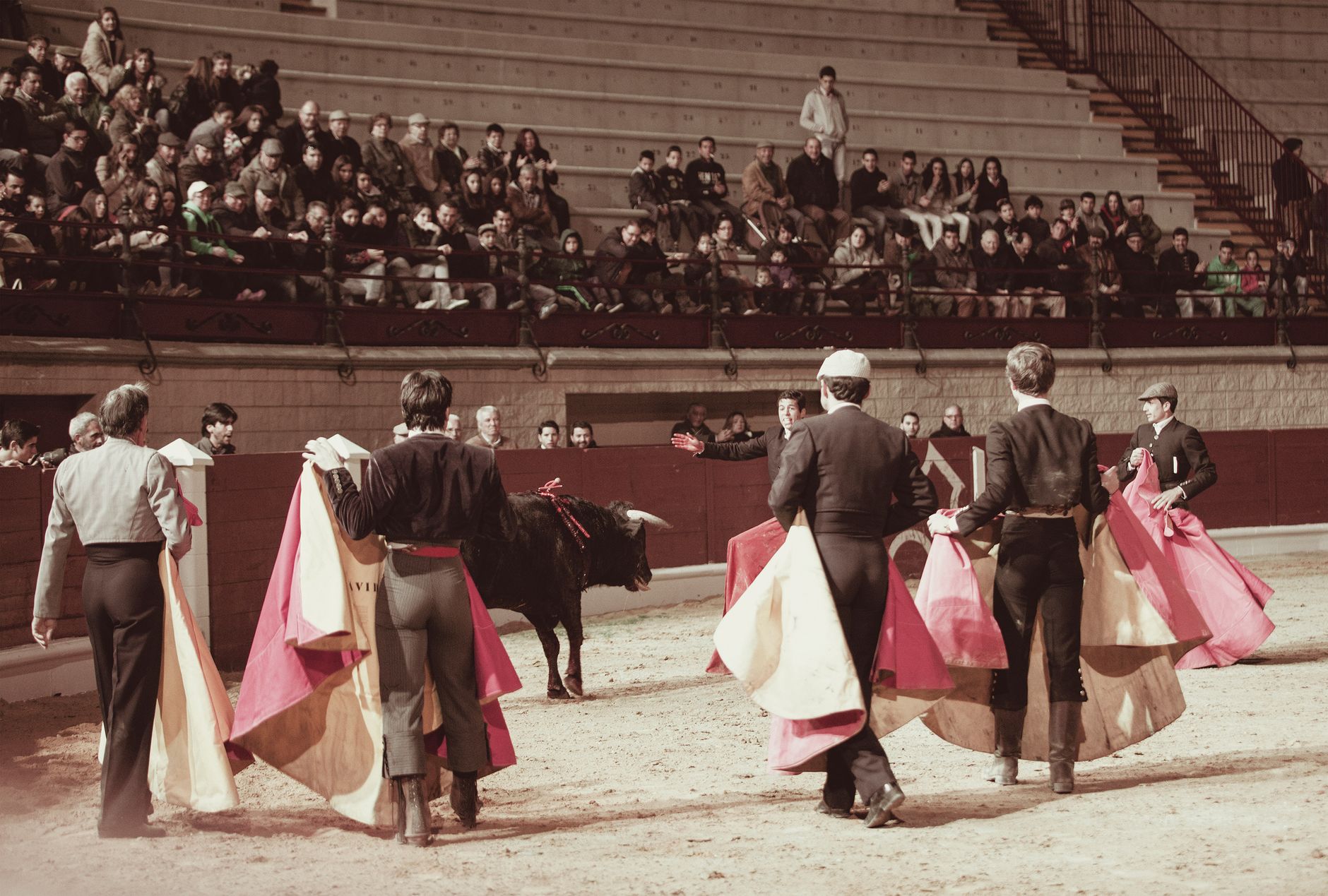
Southern bullfighting traditions reflect a long history of rural customs, livestock heritage, and community celebrations. Across parts of the southern United States, cattle have played an important role in agriculture, ranching, and regional identity. The subject of Southern Fighting Cattle (วัวชนแดนใต้) brings attention to the relationship between traditional cattle handling, historical contests, and the cultural practices associated with powerful livestock. Understanding this heritage requires looking beyond spectacle and considering its agricultural and social background.
How Did Traditional Southern Bullfighting Develop?
Historically, cattle were central to farming communities, providing food, transportation, and economic support. Strong bulls were valued for breeding and their physical qualities. In some rural settings, stories and local gatherings developed around displays of strength, animal behavior, and ranching skills.
Traditional livestock events varied considerably between communities. Some involved demonstrations of cattle handling, while others included competitive displays that reflected local customs. These activities were influenced by agricultural lifestyles, regional celebrations, and the importance of livestock ownership.
What Makes Fighting Cattle Distinctive?
Cattle known for strength and assertive behavior are often associated with muscular bodies, sturdy legs, and strong natural instincts. Bulls may display territorial behavior, particularly when challenged or placed in unfamiliar surroundings. However, temperament differs between individual animals and depends on genetics, handling, environment, and health.
It is important to distinguish naturally strong cattle from animals deliberately encouraged to fight. Responsible breeding and livestock management prioritize health, stable temperament, and safe handling rather than aggression.
Why Does Bullfighting Hold Cultural Significance?
Traditional bullfighting has appeared in different forms across several regions, although practices are not identical. In some communities, cattle-related events became part of festivals and local gatherings. They provided opportunities for people to meet, exchange knowledge, celebrate agricultural traditions, and recognize the importance of livestock.
These traditions also reveal how rural communities developed their identities around farming and animal husbandry. Family knowledge, regional stories, and historical practices helped preserve connections between generations.
How Are Animal Welfare Concerns Changing Traditions?
Modern perspectives place greater emphasis on animal welfare and responsible treatment. Activities that intentionally cause animals to fight can create serious risks, including injuries, stress, and suffering. Consequently, many discussions about traditional livestock events now consider ethical responsibilities alongside cultural preservation.
Communities can celebrate their agricultural heritage through safer alternatives, such as livestock exhibitions, educational demonstrations, breed showcases, and cattle-handling competitions designed around animal safety.
What Is the Future of Southern Cattle Heritage?
The future of Southern cattle culture depends on balancing historical appreciation with modern standards. Preserving regional knowledge does not require repeating harmful practices. Educational programs, responsible breeding, and humane livestock exhibitions can help younger generations understand traditional ranching.
Southern cattle heritage remains an important part of rural history. By recognizing its agricultural roots and adapting celebrations to prioritize animal welfare, communities can protect meaningful traditions while encouraging responsible relationships between people and livestock.
Key Takeaways
- Southern bullfighting traditions are deeply rooted in history, agriculture, and community celebration across parts of the southern United States.
- Cattle originally provided food, transportation, and economic support to farming communities, highlighting their importance in rural life.
- Differences in traditional livestock events reflect local customs and practices, influenced by agricultural lifestyles and regional celebrations.
- Modern perspectives emphasize animal welfare, prompting discussions on the ethical treatment of animals in traditional livestock events.
- Communities are now encouraged to adopt safer alternatives for celebrating agricultural heritage, such as educational demonstrations and cattle-handling competitions.
- The future of Southern cattle culture lies in balancing historical appreciation with contemporary ethical standards.